Hidden mold from plumbing leaks can be a silent health hazard and cause long-term damage. In this article, we cover the hidden mold dangers from plumbing leaks: what every homeowner should know. Find out how to spot leaks early, the health issues mold can cause, and simple ways to prevent mold growth from hidden leaks.
Key Takeaways
Plumbing leaks are often undetected, creating conditions for mold growth, which poses health risks and structural damage if not addressed promptly.
Regular maintenance, inspections, and vigilance are essential for identifying leaks early and preventing hidden mold issues in the home.
Ignoring plumbing leaks can lead to increased repair costs, decreased property value, and serious health and indoor air quality issues due to mold exposure.
The Silent Threat of Plumbing Leaks

Plumbing leaks are often silent invaders, creeping into our homes unnoticed until significant damage has already been done. These leaks can be caused by a variety of factors, including natural events and plumbing failures like bursting pipes and sudden storms. Understanding the causes and signs of plumbing leaks is crucial for maintaining the integrity of your home. Water damage from leaks can compromise your home’s structure, leading to weakened support beams and rotting flooring, which may result in costly repairs and serious structural issues.
What makes plumbing leaks particularly insidious is their ability to remain undetected for long periods, creating conditions ripe for unchecked mold growth. Previous instances of water damage can serve as warning signs for potential hidden mold growth that may occur. Recognizing these hidden dangers early can save homeowners from costly repairs and health risks down the line.
Common Sources of Plumbing Leaks
Identifying common sources of plumbing leaks is crucial for preventing hidden mold growth. Washing machines and water heaters, for example, are frequent culprits for plumbing leaks. If these leaks go unchecked, they can lead to hidden mold issues within the home.
Regular maintenance of plumbing systems is essential to detect and fix leaks early. Vigilance and routine checks help catch small leaks before they escalate into major issues.
Early Signs of Plumbing Leaks
One of the first warning signs of a hidden leak is a sudden increase in your water bill, often characterized by unexpected spikes. This unexplained rise indicates that water is escaping somewhere it shouldn’t be.
Visible signs of water damage, such as water stains, peeling paint, and a musty odor, are also early indicators of plumbing leaks. A persistent musty odor is a key early warning sign of hidden mold growth behind walls or under carpets, prompting further investigation. Moisture buildup can occur due to leaks, high humidity, or poor ventilation, which can exacerbate mold growth.
Early detection of these signs early can prevent serious issues like mold growth, allowing homeowners to take timely action and avoid further damage.
Areas Prone to Mold Growth
Certain areas of your home are especially susceptible to mold growth due to frequent moisture and high humidity. Bathrooms are a common hotspot, as steam from showers and baths creates damp conditions that, when combined with poor ventilation, can quickly lead to hidden mold. Kitchens also face similar risks, with moisture from cooking, dishwashing, and even minor leaks under sinks providing the perfect environment for mold to thrive. Laundry rooms, where washing machines can leak or overflow, are another area where mold growth can go unnoticed behind appliances or within walls. Basements, particularly those with inadequate airflow or persistent dampness, are notorious for harboring hidden mold. To prevent mold growth, focus on regular inspection and maintenance in these high-risk areas, ensuring that any signs of moisture or high humidity are addressed promptly.
Hidden Mold Growth from Plumbing Leaks

When plumbing leaks go unnoticed, they create the perfect environment for hidden mold growth. Water damage can lead to mold growth, which poses health risks and structural issues. Moisture from plumbing leaks can create an environment conducive to mold proliferation. Porous materials such as drywall, carpet, and wood are especially susceptible to mold growth after water damage, as they absorb moisture and provide an ideal environment for mold to spread. Key points include:
Excess moisture from leaks significantly contributes to mold growth indoors.
Plumbing leaks create conditions that promote hidden mold growth.
Mold growth resulting from water damage poses health risks.
Structural issues can arise due to mold caused by plumbing leaks.
Understanding how mold thrives in hidden areas, the health risks it poses, and the structural damage it can cause in affected areas of a home’s structure is important. Visible mold can be a significant indicator of these issues.
How Mold Grows in Hidden Areas
Mold thrives in damp, dark environments where it can grow unnoticed. Factors that encourage mold development include:
Faulty HVAC system vents that create moisture and trap dampness, allowing mold spores, bacteria, and VOCs to spread throughout the home and impact indoor air quality
High humidity
Poor ventilation
Damp crawl spaces and basements
These conditions create an ideal environment for mold growth.
Mold spores can germinate within 24 to 48 hours when they encounter damp surfaces. This rapid growth means that even a small leak can quickly lead to significant mold issues, including tiny spores.
Common areas for mold development include bathrooms, kitchens, and basements—places with high moisture levels. Addressing moisture problems in high-risk areas, like bathrooms and basements, can prevent mold growth.
Health Risks of Hidden Mold Exposure
Prolonged exposure to mold from water leaks and water exposure can cause various health problems, including:
Respiratory problems
Skin irritation
Coughs
Throat irritation
General irritation
Individuals with pre-existing health conditions are more susceptible to severe allergic reactions from mold exposure. Mold from HVAC systems can lead to significant respiratory issues, allergies, and asthma symptoms.
Structural Damage from Hidden Mold
Mold and water damage can lead to:
Compromised integrity of structural materials like wood and drywall, leading to costly repairs.
Extensive structural damage resulting from unattended minor leaks.
Structural issues and expensive repairs caused by overlooking water damage warning signs.
Addressing mold growth early can save homeowners from significant financial and structural damage, ensuring future growth.
Areas Around the Home to Inspect
To catch mold growth early and avoid hidden mold problems, it’s important to routinely inspect key areas throughout your home. Start by looking for water stains, peeling or bubbling paint, and musty odors—these are early signs of moisture buildup and potential mold issues. Pay close attention to areas around windows, doors, and roofs, as water intrusion here can lead to serious damage if left unchecked. Crawl spaces and basements should be checked for excess moisture or leaks, especially after heavy rain. Inspect plumbing systems, including water heaters and washing machines, for any signs of leaks or corrosion. By identifying these early signs and addressing moisture issues quickly, you can prevent mold growth, protect your indoor air quality, and avoid costly repairs that result from hidden damage to your home’s structure.
Detecting and Addressing Mold from Plumbing Leaks
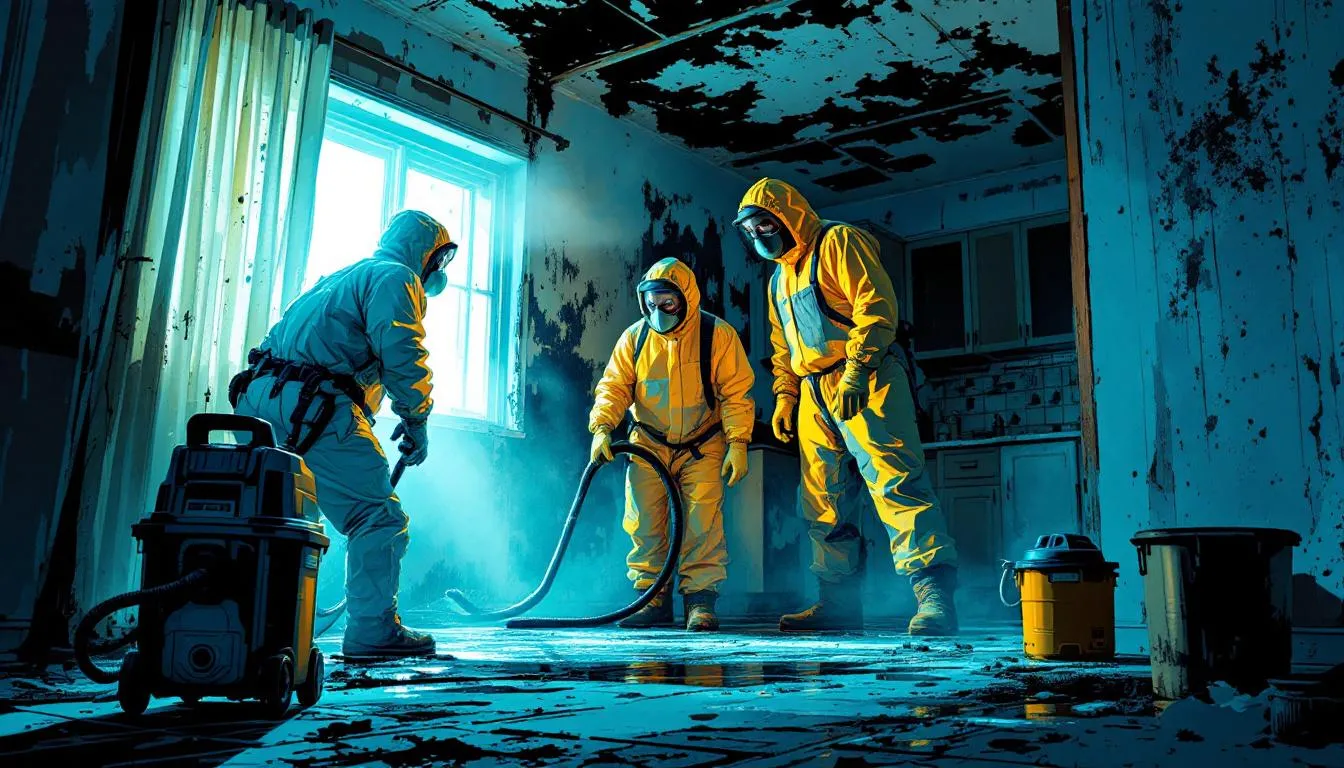
Addressing mold from plumbing leaks promptly prevents further damage and health risks. The first step in the water damage restoration process is assessment. Homeowners should seek professional help when faced with water damage.
During mold remediation, it is crucial to identify and remove contaminated materials, such as affected drywall or carpeting, to prevent mold recurrence and ensure safety.
Advanced equipment is used to ensure all moisture is eliminated during drying. This section will cover using moisture meters and other tools, professional mold remediation, and DIY prevention tips.
Using Moisture Meters and Other Tools
Moisture meters are essential tools used to monitor moisture levels during the drying process. Tools like infrared cameras are effective for identifying hidden leaks and moisture accumulation.
Certified professionals utilize specialized tools to detect moisture in hard-to-reach areas, ensuring thorough inspections. Professional inspections can reveal issues that may not be visible to homeowners during casual checks, enhancing leak detection.
Professional Mold Remediation
Professional help is often required for mold removal due to its complexity and health risks. Professional restoration services provide thorough water extraction, proper drying, and documentation for insurance claims.
Following EPA guidelines, professional mold remediation uses HEPA air filtration to capture airborne spores.
DIY Prevention Tips
A dehumidifier can help maintain optimal humidity levels, reducing the risk of mold growth. Sump pumps help to remove excess water, significantly lowering the chances of basement flooding. Maintaining a healthy home environment and protecting structural integrity requires preventing mold growth.
Controlling humidity is crucial in preventing mold growth, as mold thrives in damp conditions.
Long-Term Consequences of Ignoring Plumbing Leaks
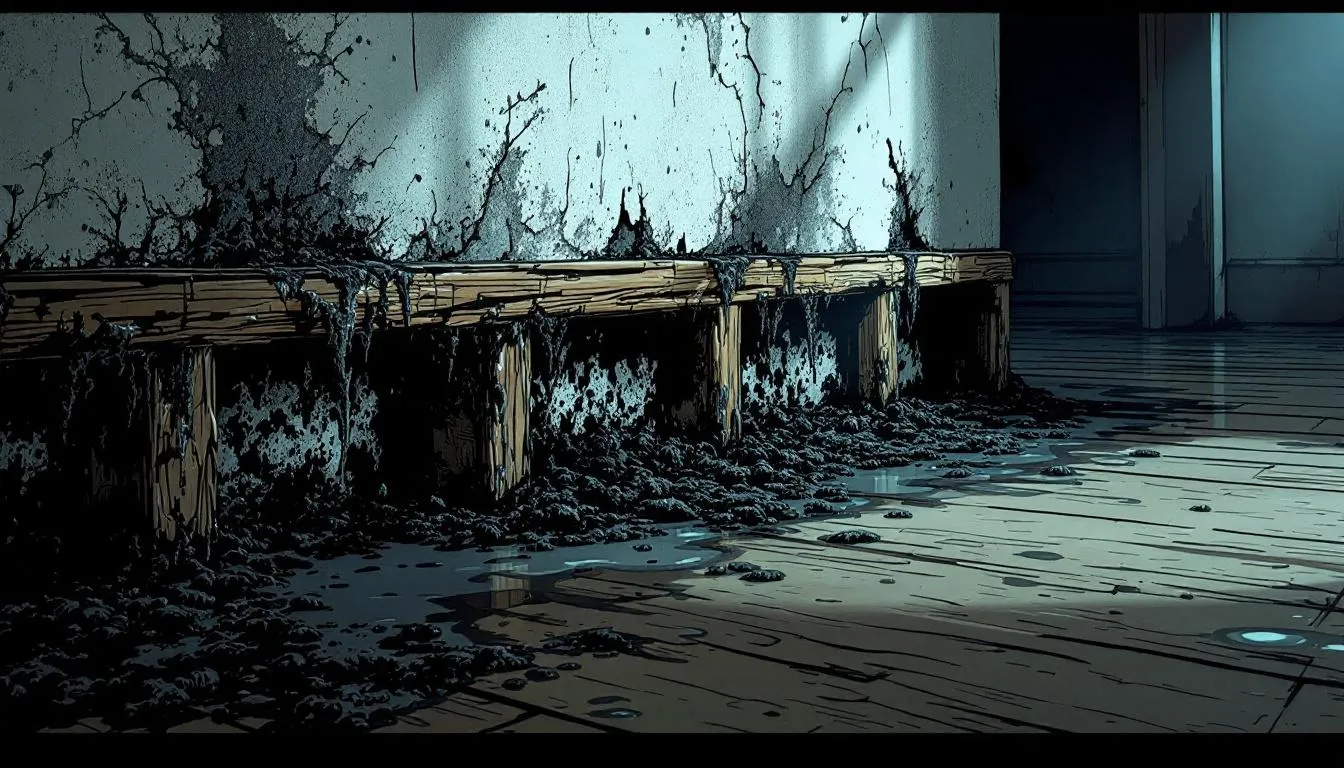
Ignoring plumbing leaks can lead to serious problems that many homeowners overlook and severe long-term consequences. Many homeowners may have their mold damage covered by insurance only if it is caused by a sudden plumbing leak.
Sewage backups are a serious source of water contamination and mold risk, requiring professional cleanup due to health hazards from harmful bacteria and pathogens. It is also important to inspect your roof for missing shingles, as they can allow water leaks that lead to structural damage and hidden mold growth.
If left untreated, water damage can reduce property value by 15-25% and complicate future sales. This section will discuss the increased repair costs, decline in indoor air quality, and potential for serious damage from pest infestations.
Increased Repair Costs
The longer water damage persists, the higher the repair costs will be due to the increasing extent of the damage. The average cost to fix termite damage from an infestation due to water damage can range from $3,000 to $5,000.
Untreated water damage can cause support beams to lose their strength, jeopardizing the structural integrity of the home and potentially leading to foundation damage. Wood flooring that is subjected to untreated water damage may rot, leading to the need for complete replacements.
Decline in Indoor Air Quality
Damp conditions from leaks promote mold growth, which releases volatile organic compounds that degrade indoor air quality. Chronic coughing, sneezing, and difficulty breathing can arise from mold exposure. Individuals with asthma and compromised immune systems are at increased risk from mold exposure. Additionally, children and the elderly also face greater dangers.
Moisture beneath flooring can lead to moisture issues, mold growth, structural damage, and compromises indoor air quality.
Potential for Pest Infestations
Plumbing leaks create damp environments that are ideal for pest infestations. Moist environments created by leaks are attractive to pests, which can lead to additional issues for homeowners. Pest infestations can complicate existing moisture problems, potentially leading to increased damage to the home.
Addressing leaks promptly can prevent these issues, and a leak inside can lead to further complications if not properly addressed.
Proactive Measures for Homeowners
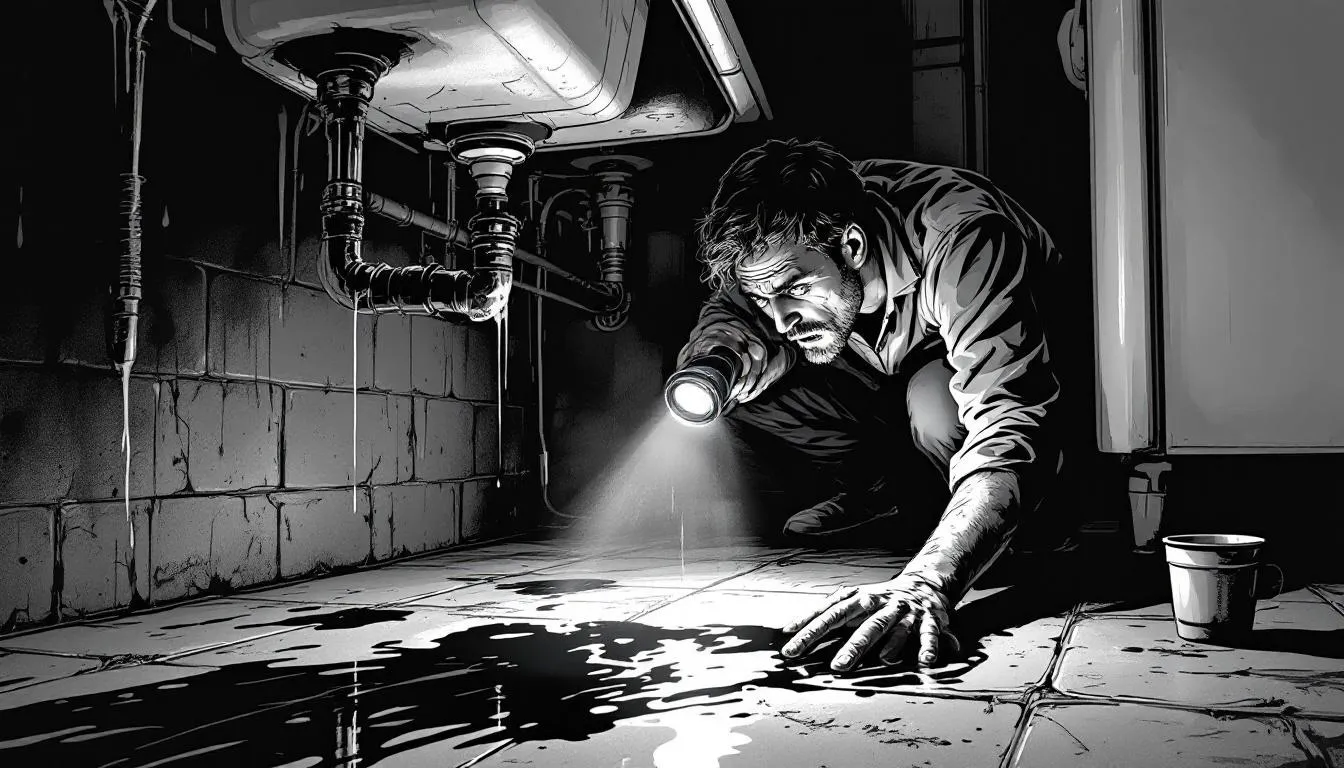
Knowing the sources of water damage is key to preventing plumbing leaks that every homeowner should know. Remaining vigilant and conducting regular maintenance can protect properties from water damage.
This section will cover proactive measures such as regular inspections and maintenance, installing a sump pump and dehumidifiers, and monitoring humidity levels.
Regular Inspections and Maintenance
Regularly checking plumbing systems can help identify leaks before they lead to mold issues. Arrange for a professional inspection to identify early signs of water damage.
Good ventilation in bathrooms and kitchens reduces humidity levels by up to 50%, helping to prevent mold growth.
Installing a Sump Pump and Dehumidifiers
A sump pump greatly decreases the likelihood of water damage. It can lower the risk by almost 99%. Dehumidifiers and proper airflow effectively control humidity in a home.
Managing humidity and standing water is key to preventing mold growth in homes, especially during heavy rain.
Monitoring Humidity Levels
Hygrometers help track indoor humidity levels, ensuring they stay below 50%, which is crucial to prevent mold spores from thriving indoors.
Proper ventilation and moisture control are essential in preventing mold growth and maintaining indoor air quality. By monitoring and managing humidity levels, homeowners can create an environment that is less conducive to mold development.
Additional Resources and Support
If you’re facing mold issues or want to prevent mold growth in your home, there are many resources and support options available. Professional mold remediation services can safely handle mold removal and help prevent future growth, especially in cases of extensive contamination or hidden mold. Consulting with indoor air quality specialists can help you identify moisture problems and recommend solutions for proper ventilation and moisture control. Additionally, numerous organizations offer educational materials and guides on mold prevention, detection, and remediation. By taking advantage of these resources, maintaining regular home inspections, and ensuring proper ventilation and moisture control, you can minimize the risk of mold growth, protect your indoor air quality, and avoid the need for costly repairs down the line. Proactive steps today can help you maintain a safe, healthy, and mold-free home environment.
Summary
In summary, plumbing leaks are a silent but significant threat to your home. They can lead to hidden mold growth, health risks, and structural damage if left untreated. Recognizing the early signs of leaks, such as increased utility bills and visible water damage, is crucial in preventing these issues. Regular inspections and maintenance, along with the use of moisture meters and professional remediation, can help in effectively managing and addressing mold growth.
Taking proactive measures like installing sump pumps, using dehumidifiers, and monitoring humidity levels can safeguard your home against the hidden dangers of plumbing leaks. By staying vigilant and taking timely action, homeowners can prevent costly repairs and ensure a healthy living environment. Don’t wait until it’s too late—act now to protect your home and health.
Frequently Asked Questions
What are the common sources of plumbing leaks?
Common sources of plumbing leaks are washing machines, water heaters, and faulty plumbing systems. Regular maintenance is essential for early detection and prevention.
What are the early signs of a plumbing leak?
The early signs of a plumbing leak include a sudden increase in water bills, water stains on walls or ceilings, peeling paint, and a musty smell. Identifying these signs promptly can help avert significant damage.
How does hidden mold growth affect health?
Hidden mold growth can significantly impact health by causing respiratory issues, skin irritation, and worsening conditions like asthma, particularly in vulnerable individuals. It is essential to address and remediate mold problems promptly to safeguard your health.
What are the long-term consequences of ignoring plumbing leaks?
Ignoring plumbing leaks can result in costly repairs, deterioration of indoor air quality, pest infestations, and serious structural damage to your home. Addressing leaks promptly is crucial to prevent these long-term consequences.
How can homeowners prevent mold growth from plumbing leaks?
To effectively prevent mold growth from plumbing leaks, homeowners should conduct regular inspections, use sump pumps and dehumidifiers, monitor humidity levels, and ensure proper ventilation. Timely detection and professional remediation are essential for maintaining a mold-free environment.